🌍 Global B2B Distributor | ⚡ 24-hour RFQ Response | 🏭 Dry-Type Transformers & Pre-Installed Substations
[email protected]
⚡ Dry-Type Transformers & Pre-Installed Substations

Step-Up Transformers — From PV Array to Grid Connection

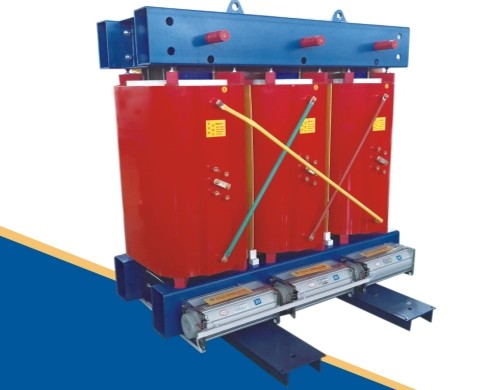
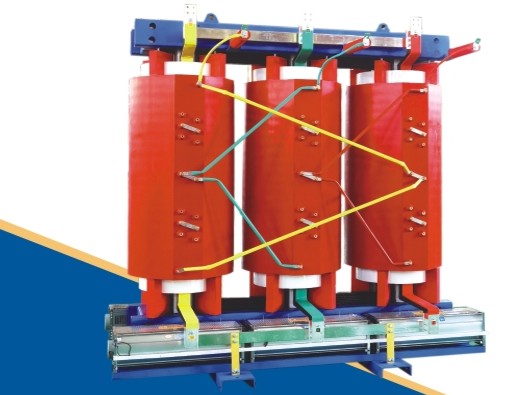
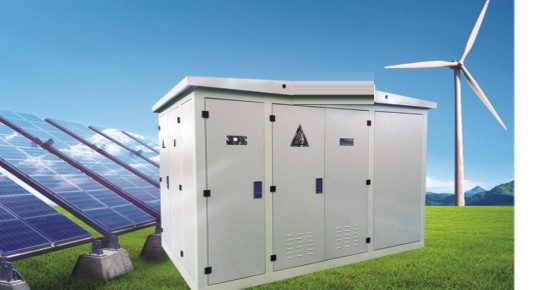
Dry-type step-up transformers and a fully integrated European-style substation for solar and energy storage collection points — epoxy resin and amorphous-alloy core options, a fault-current-limiting split-winding design for new energy and storage plants, and the YBW-NE all-in-one substation for inverter-to-grid voltage boost.

4
Product Types
Epoxy & Amorphous
Core Technologies
6–35 kV
Voltage Class Range
New Energy
PV & BESS Focused
Product Lineup

Four Transformer & Substation Solutions

From the general-purpose SCB distribution transformer to the fully integrated YBW-NE substation — each with a dedicated product page and complete datasheet.
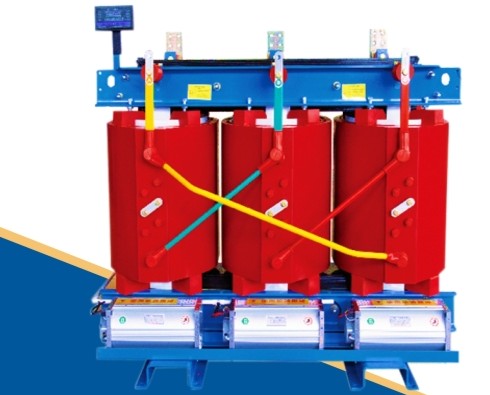
*SCBH no-load loss advantage is the manufacturer's stated theoretical figure versus a conventional silicon-steel-core dry-type transformer of equivalent class; confirm exact project-specific loss figures on request.

Selection Guide

How to Choose the Right Transformer or Substation

Answers to the most common selection questions for PV and energy storage step-up equipment.

Should I choose the SCB or SCBH series for a PV plant step-up transformer?
SCB (epoxy resin vacuum-cast) is the standard choice and fits most ground-mount and C&I rooftop PV step-up applications. SCBH uses an amorphous alloy core and is the better choice when minimizing no-load loss and no-load current over the life of the plant is the priority — the manufacturer's data shows theoretical efficiency gains of more than 70% over a conventional silicon-steel dry-type transformer of the same class.
Which transformer is purpose-built for new energy and energy storage applications?
The Split-Winding Dry-Type Transformer is the model the manufacturer specifically designates as suitable for new energy generation and energy storage power plant scenarios. Its multi-winding design lets independent branches carry separate loads or power sources and limits fault current between branches, which suits multi-inverter or multi-PCS collection points.
When do I need a pre-installed substation instead of a standalone transformer?
A standalone SCB/SCBH/split-winding transformer still needs separate high-voltage switchgear, low-voltage switchgear and control equipment on site. The YBW-NE pre-installed substation integrates all of that — switchgear, transformer and low-voltage equipment — into a single factory-tested enclosure, which shortens on-site installation time for PV and BESS projects.
What is the difference between YBW-NE and a standard SCB dry-type transformer?
An SCB or SCBH unit is the transformer only. The YBW-NE is a complete European-style box-type substation built specifically to take inverter output voltage and step it up to the grid-connection voltage required by the utility (10kV or 35kV), combining the transformer with high-voltage switchgear, low-voltage switchgear and auxiliary control equipment in one enclosure.
Can these transformers be used for both ground-mount PV plants and BESS sites?
Yes. SCB and SCBH are general-purpose step-up distribution transformers suitable for PV plant collection points, while the split-winding model is explicitly suited to new energy generation and energy storage power plant scenarios, and the YBW-NE substation is designed around inverter/PCS output voltage regardless of whether the source is PV or battery storage.
What voltage levels do Econo Solar's transformers and substations support?
SCB and SCBH dry-type transformers are manufactured at the 6kV and 10kV distribution class. The YBW-NE substation steps inverter output voltage up to 10kV or 35kV for grid connection. Confirm your exact project voltage requirement with your RFQ and we will match it to the correct model and winding configuration.

Need help selecting the right transformer?

Send us your project's inverter/PCS output voltage, required grid-connection voltage and site layout — we respond with model recommendations and FOB pricing within 24 hours.

Request a Quote →